What do we teach students?
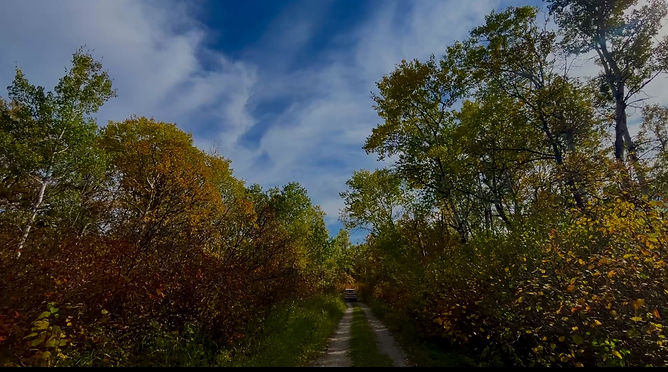
When you know how and where to look, the environment around us is never a boring place. From birds interacting like drama tv to battles for habitat between tree communities, we teach teachers, students, and tag-alongs to understand the ecosystems around them in a whole new way using traditional Ojibwe knowledge complimented by western science.
Below are just some of those topics we typically teach, whether it's in the field, on the Swan Lake reserve, in nearby parks, or on school grounds.
Learning From the Environment for a Better Future
Using these aspects of traditional Ojibwe knowledge and many more, we teach teachers, students, and tag-alongs alike to better understand the plants and animals around us as well as each other. The environment is a neutral topic that affects us all. Through learning on the land, we can build better relationships with not only the ecosystems around us, but each other and the many communities around us.
Subject Samples

Ants and Tree Immune Systems
Did you know tree and forests have immune systems like ours? Black scabs like these on poplar trees are a fungi introduced by ants, an out-of-control dynamic that weakens the health of forests and can even affect the weather.

Reading the Weather with Ants
The Ojibway could read the coming weather with the animal behavior around them. Ants feel air pressure differently than us. Like this photo, when they cover their nests with certain debris, it may mean its time to take shelter.

A War in the Forest - Battles for Habitat
A lone oak tree stands near a poplar bluff: this is a battle for habitat with many players over the span of decades. The Ojibwe knew how oaks fight back the rapid-growing poplar, as well as how this affects the weather on the prairies.

The Personality of Clouds
Living on the prairies in teepees meant the Ojibwe had to know what each type of cloud signaled for coming weather. Knowing the time of year, humidity, wind, color, and moving direction of a cloud can mean predicting harmless rains or heavy hail.

Bird Interactions
The language of birds and their unique personalities are not only entertaining, but extremely useful when on the land. We have observed birds playing tricks on us and each other, stashing and stealing food, protecting their forests from predators, and interacting between species.
Traditional Life and Moving Forward Together
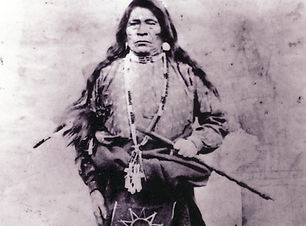
The first rule of Ojibwe culture is to look at everyone as human beings first, regardless of race, religion, or politics. Through the history of our past relationships, treaties, and looking at each other as human beings first, we can learn to move forward together and create a good world for the next generations.

Book us or tag along in the field:
Call
204-720-2729
Finn Rachul
David Scott
204-526-4304